
Colored Glass Bottles for Essential Oils: The Best Color Options
- ByRobert "Rob" Starmann
- March 24, 2026
Essential oils are vulnerable to degradation from light, heat, and air exposure. This is why, when it comes to preserving the integrity of essential oils, choosing the right custom oil packaging makes all the difference.
At Ashland Container, we have over 50 years of packaging industry expertise, so we understand that colored glass bottles are beyond simple aesthetic choices; they're essential for maintaining your precious oils’ therapeutic properties.
How Colored Glass Bottles Protect Your Essential Oils
To achieve vibrant, protective colors, manufacturers use centuries-old techniques combined with modern quality control through precise metal oxide additions.
Each glass color offers unique benefits through specific metal oxide combinations and their protective properties.
Amber Glass Provides Maximum UV Protection
Amber glass bottles for essential oils contain iron, sulfur, and carbon compounds that block 99% of UV rays below 450nm. This brown-orange tint offers superior protection for light-sensitive oils like citrus, rose, and neroli, preventing oxidation and preserving volatile aromatic compounds.
It’s no surprise that professional aromatherapists prefer glass amber essential oil bottles for preserving therapeutic properties over extended storage periods, with some oils maintaining potency for 2-3 years when properly stored. The amber color specifically filters out harmful blue and ultraviolet light wavelengths that accelerate chemical degradation.
Clear Glass Showcases Natural Colors
Clear glass maintains purity with minimal additives, allowing complete product visibility. However, it has zero UV protection. These bottles are ideal only for rapid-turnover products or display purposes, making them popular for retail samples and demonstration purposes.
Carrier oils with added antioxidants like vitamin E may be stored in clear glass when kept in dark locations and used quickly. Clear glass bottles work best for stable base oils such as fractionated coconut oil or jojoba that have longer shelf lives and lower oxidation rates.

Cobalt Blue Balances Aesthetics and Protection
Cobalt oxide creates the distinctive blue color while providing moderate UV filtration in the 400-450nm range. Cobalt glass benefits include 50% UV protection and a premium visual appeal that enhances brand perception. This makes dark glass bottles for essential oils in cobalt blue ideal for moderately sensitive oils like lavender and eucalyptus that don't need maximum light blocking.
The cobalt blue spectrum filters enough damaging light for mid-range oils while offering an elegant presentation that clear glass cannot match. It’s a practical choice for retail products where both shelf appeal and basic protection matter.
Green Glass Serves Niche Markets
Chromium or iron oxide in varying concentrations produces green glass that filters 30-40% of UV radiation. This eco-friendly appearance suits organic product lines. Brown glass bottles for essential oils compete with green options, but amber is superior for protection.
Colored Glass Bottles Manufacturing Process
The manufacturing process of colored glass bottles reveals why certain colors provide better protection for your oils. Each step of the manufacturing process contributes to the final product's ability to shield essential oils from harmful light wavelengths.
- Base glass creation: Silica sand, soda ash, and limestone melt at 1,500°C to form the foundation for all colored glass bottles.
- Metal oxide integration: Precise feeding systems distribute metal oxides evenly throughout molten glass, with timing critical for color consistency and UV protection.
- Bottle formation: Blow-and-blow or press-and-blow techniques shape molten glass, followed by annealing to relieve internal stresses.
- Quality verification: Spectrophotometers test each batch for UV protection levels, while stress detection ensures bottles withstand temperature changes during shipping and use.
This meticulous process ensures each colored glass bottle delivers consistent protection and quality, making them a trusted choice for essential oil packaging.
Choosing the Right Bottle Size and Closure
Once you've selected the appropriate glass color for your oils, you’ll then need to focus on selecting the proper sizing and closure. This helps round out your packaging strategy.
Bottle Size Options
Selecting the right bottle size prevents waste and maintains oil potency throughout the product's life cycle.
Euro Droppers Control Flow
Euro dropper inserts fit inside bottlenecks, dispensing one drop at a time while preventing contamination. This closure type works best for pure essential oils requiring precise dosing. The plastic insert creates an airtight seal between uses and preserves oil quality in these colored glass containers with lids.
Dropper Caps Allow Precise Measurement
Glass dropper caps allow for accurate blending, but need careful handling to prevent oxidation. Each time the dropper is removed, oils contact air, potentially accelerating degradation. These closures are ideal for professional use where precise measurement matters more than extended storage in colorful glass bottles.
Colored Glass Bottles Storage Best Practices
Even the best colored glass bottles need to be stored properly to maintain oil quality. Environmental factors like temperature, light exposure, and humidity can compromise essential oils regardless of glass color.
Temperature Control Prevents Degradation
Store colored glass bottles between 60-70°F to minimize oxidation and evaporation rates. Excessive heat accelerates chemical breakdown regardless of glass color, causing volatile compounds to deteriorate. Cool, consistent temperatures help oils in amber bottles last years rather than months, with some citrus oils extending from 12 months to 24 months under optimal conditions.
Dark Storage Adds Protection
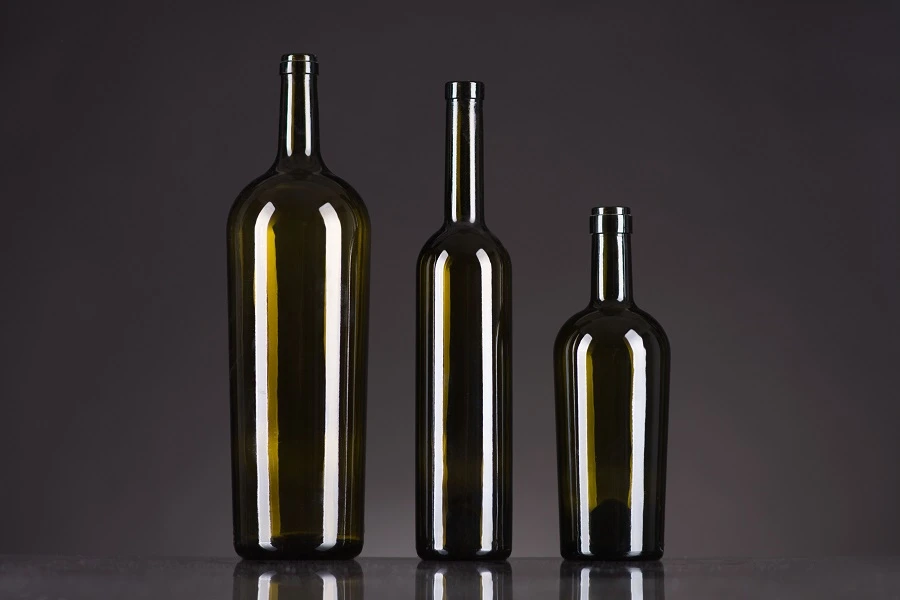
Place colored glass bottles in closed cabinets or drawers for additional light protection beyond what the glass provides. Even amber glass benefits from complete darkness during storage, as ambient room light contains UV wavelengths that penetrate over time. This practice especially helps lighter colored glass maintain oil integrity, preventing cumulative photodegradation and extending viability by anywhere from 30-50%.
Proper Labeling Ensures Safety
Label each bottle with purchase date, expected shelf life based on oil type, and specific storage instructions. Include batch numbers for quality tracking, botanical names to avoid confusion, and dilution ratios for blends. Clear information helps users recognize degraded oils, preventing skin irritation from oxidized products that can lead to allergic reactions or sensitization.
Finding the Right Colored Glass Bottles
Feeling overwhelmed? Don’t stress, our team is here to help. Selecting appropriate colored glass bottles requires balancing protection, aesthetics, and cost factors.
- Consider your target market: Professional aromatherapists prioritize protection, making amber glass essential. Retail customers may value seeing product color through clear or blue glass containers. Understanding your audience helps determine whether maximum protection or visual appeal matters more for your colored glass bottles.
- Calculate long-term value: Amber colored glass bottles cost slightly more than clear; they prevent product loss from oxidation. One spoiled batch of expensive oil costs more than upgrading to protective amber glass.
- Match glass color to oil sensitivity: Highly photosensitive citrus and floral oils need amber glass for adequate protection. Stable oils like patchouli or sandalwood can be used in blue or green glass with proper storage. Choose colored glass bottles based on each oil's specific light sensitivity and expected turnover rate.
Amber glass blocks 99% of UV rays for maximum protection. Match bottle color to oil sensitivity, choose proper sizing and closures, and store the bottles correctly to extend their shelf life from months to years.
Protect your essential oils' therapeutic value (as well as your brand reputation) with the right colored glass bottles from Ashland Container, a glass bottle packaging provider with over 50 years of expertise. Our team ensures quality packaging solutions for your business. Get a quote on colored glass bottles today!

Recent Posts
HDPE vs. PET: Which Plastic Bottle Is Right for You?
Compare HDPE vs. PET plastic bottles for your packaging needs. Learn about durability, clarity, chemical resistance, and cost differences from Ashland Container's 50+ years of expertise.
Trigger Sprayer Shortage: Low-Cost Trigger Sprayer Solutions for Buyers in 2026
Explore the 2026 trigger sprayer shortage and how one buyer cut costs from $0.28 to under $0.20 with Ashland Container’s strategic sourcing support.
Why Plastic Bottles Are Ideal for Beverage Packaging
Why does plastic bottle quality remain top-tier in beverage packaging? Read Ashland Container's guide, with 50+ years of experience in the packaging industry.