
HDPE vs. PET: Which Plastic Bottle Is Right for You?
- ByRobert "Rob" Starmann
- March 4, 2026
Your plastic bottle choice may not seem important, but this decision impacts more than just your bottom line. The wrong material can compromise product integrity, shorten shelf life, and erode customer confidence. With over 50 years of packaging expertise, Ashland Container understands that the right plastic bottle material requires the perfect balance of protection, cost, and performance.
Both HDPE (High-Density Polyethylene) and PET (Polyethylene Terephthalate) dominate the plastic bottle packaging market, and each serves distinctly different purposes. In this guide, Ashland Container breaks down the HDPE vs. PET comparison to help you make an educated decision that supports your specific packaging needs.
Key Characteristics of HDPE and PET

What Is HDPE?
High-Density Polyethylene (HDPE) is a petroleum-based thermoplastic known for its strength-to-density ratio. Manufacturers create HDPE using a polymerization process that produces long polymer chains with minimal branching. This tightly bonded molecular structure creates a dense, rigid material with strong impact resistance.
HDPE typically appears opaque or translucent with a slightly waxy surface. Its density ranges from 0.933 to 0.970 g/cm³, making it lighter than water yet remarkably durable. The material withstands temperatures from -50°C to 80°C without significant degradation.
Characteristics of HDPE include:
- Superior impact resistance that prevents cracking during handling and shipping;
- Excellent moisture barrier properties that protect contents from humidity;
- High chemical resistance to acids, alcohols, and cleaning agents;
- Cost-effective production suitable for high-volume manufacturing;
- FDA-approved for food contact applications.
Common HDPE applications include items like household cleaners, shampoos, milk jugs, motor oil containers, and pharmaceutical bottles. The material's opacity makes it ideal for products that need protection from light, while its rigidity supports larger container formats.
What Is PET?
Polyethylene Terephthalate (PET) is part of the polyester family and is known as one of the most recycled plastics worldwide. This thermoplastic polymer forms through a reaction between ethylene glycol and terephthalic acid, creating strong molecular chains with high transparency.
PET naturally appears crystal clear, though manufacturers can produce it in various colors. Its density typically ranges from 1.33 to 1.45 g/cm³, making it denser than HDPE. The material maintains structural integrity in temperatures from -40°C to 70°C.
Characteristics of PET include:
- Exceptional clarity that showcases product color and purity;
- Superior gas barrier properties that maintain carbonation in beverages;
- High tensile strength that allows for thinner, lighter bottle walls;
- Excellent recyclability with established collection infrastructure;
- Strong resistance to dilute acids and most solvents.
PET dominates beverage packaging, especially for water, soft drinks, and juice. The material is also commonly used in personal care products, pharmaceutical packaging, and food containers, where product visibility is pivotal to purchase decisions.
Material Properties Comparison of HDPE and PET Packaging
The HDPE vs. PET debate often comes down to five critical properties. One wrong assumption about density, clarity, or chemical resistance can lead to product failures, recalls, or unnecessary costs. This side-by-side comparison cuts through the technical jargon and shows you exactly which material properties matter for your specific application:
No single property defines the right material choice, and your selection should be based on your product’s unique combination of requirements. HDPE excels in five critical areas for industrial and household products, while PET dominates in clarity-dependent applications. The material that protects your specific formulation and survives your distribution channel is always the right choice.
HDPE vs. PET: Cost Considerations
Material costs are only one factor in total packaging expenses. HDPE raw material typically costs $1.20-$1.80 per pound, while PET ranges from $0.80-$1.50 per pound. However, these prices fluctuate based on factors like oil prices, demand, and regional factors:
- Manufacturing efficiency: HDPE bottles need simpler tooling and shorter cycle times, reducing production costs. The blow molding process for HDPE runs faster than PET, particularly for opaque containers. PET's stretch blow molding process uses more complex equipment but produces lighter bottles, lowering shipping expenses.
- Shipping and transportation: PET's lighter weight for equivalent volume reduces freight costs substantially. A truckload of PET bottles holds more product than the same weight in HDPE. For companies shipping large volumes nationally or internationally, these savings offset higher material costs.
- Recycling value: PET commands higher prices in recycling markets ($0.10-$0.20 per pound) compared to HDPE ($0.05-$0.12 per pound). This difference impacts end-of-life costs and appeals to environmentally conscious brands that prioritize sustainability.
HDPE vs. PET: Environmental Impact
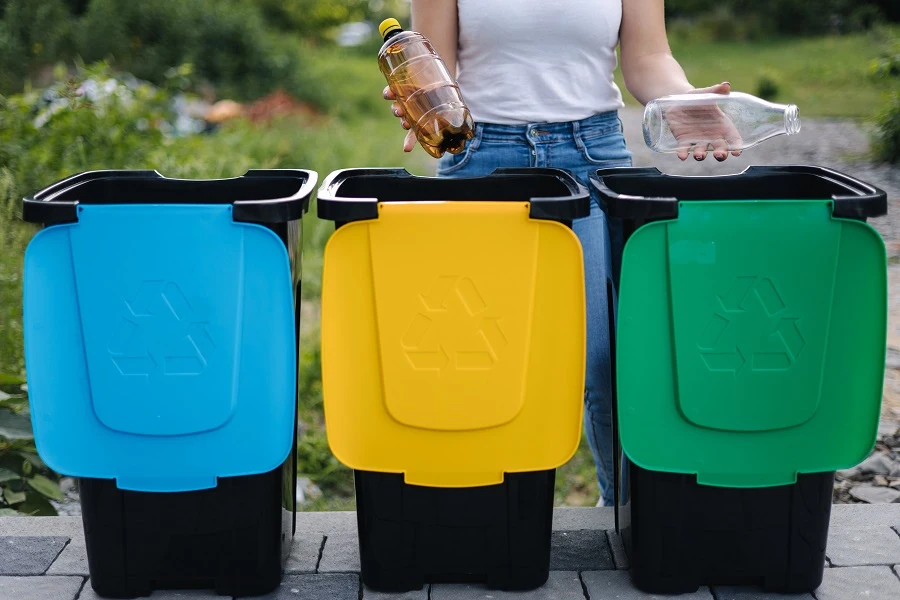
Both materials are recyclable, but their environmental profiles differ significantly:
- Recycling rates and infrastructure: PET achieves higher recycling rates (approximately 28% in the US) due to established bottle deposit programs and consumer familiarity. HDPE recycling rates hover around 10-15%, though the material technically recycles just as effectively. Both plastics can be recycled multiple times before quality starts to degrade.
- Carbon footprint: PET production generates approximately 3.5 kg of CO2 per kg of plastic, while HDPE produces around 2.0 kg of CO2 per kg. However, PET's lighter weight per container often results in lower total emissions when transportation factors are factored in.
- Biodegradability: Neither HDPE nor PET biodegrades in natural environments within meaningful timeframes. Both materials persist for hundreds of years in landfills. This makes proper recycling essential for minimizing environmental impact, regardless of the material you choose.
- Recycled content availability: Both HDPE and PET are available with post-consumer recycled (PCR) content. PET more readily accepts high percentages of recycled material (up to 100% for some applications) while maintaining clarity. HDPE accepts PCR content effectively, but color consistency becomes challenging when recycled material is above 50%.
Industry-Specific Applications of HDPE vs. PET
Different industries favor specific materials based on their unique requirements.
Food and Beverage
PET dominates beverage packaging because of its clarity and carbonation retention. For example, water, soft drinks, and juice rely almost exclusively on PET bottles. HDPE is used in milk jugs, larger water containers, and products where opacity protects contents from light degradation.
Personal Care and Cosmetics
Choosing between HDPE and PET depends on product formulation and brand positioning. Premium beauty products often opt for PET for its glass-like appearance and shelf appeal. Shampoos, conditioners, and body washes commonly use HDPE because it is durable and cost-effective.
Household and Industrial Products
HDPE is the industry standard for cleaning products, detergents, and automotive fluids. Its superior chemical resistance prevents container degradation from aggressive formulations. Bleach, ammonia-based cleaners, and motor oils require HDPE's protective properties.
Pharmaceuticals and Nutraceuticals
Both materials meet FDA requirements for pharmaceutical packaging. Liquid medications typically use HDPE due to its moisture barrier and light-blocking properties. Vitamins and supplements can use either material, with the choice depending on the product’s stability requirements and overall marketing preferences.
HDPE vs. PET Decision Framework
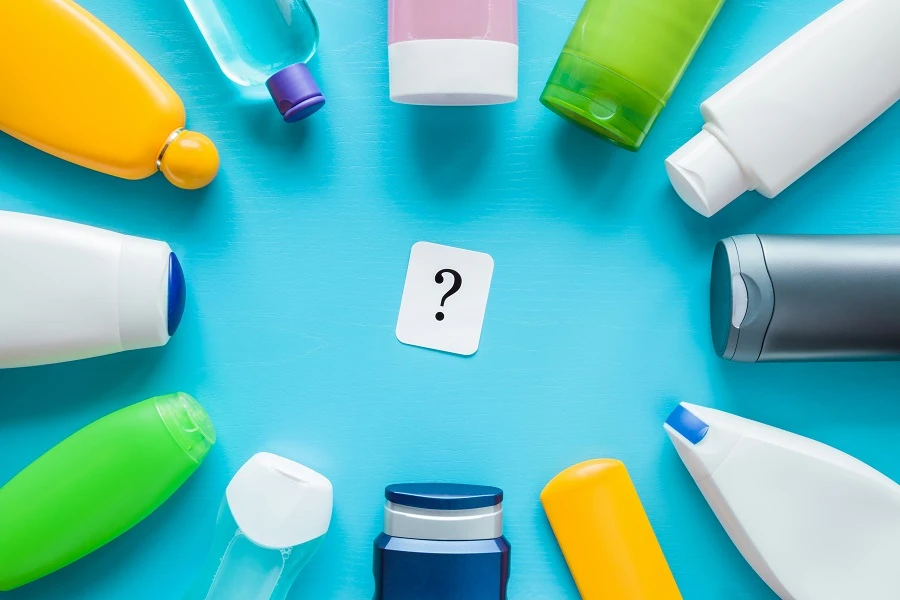
Select your plastic bottle material using this systematic approach:
Evaluate Product Requirements
Consider your product's chemical composition, sensitivity to light and oxygen, required shelf life, and regulatory requirements. Products that have strong acids, bases, or volatile compounds typically require HDPE. Light-sensitive formulations benefit from HDPE's opacity, while products where visual appeal drives sales favor PET's clarity.
Assess Distribution Challenges
Don’t forget to factor in factors like shipping distances, handling conditions, temperature variations during transport, and typical retail environments. Products facing rough handling or extreme temperature swings perform better in HDPE. PET’s lightweight design makes it ideal for long-distance shipping.
Calculate the Total Ownership Cost
Look beyond raw material prices to include tooling costs, production efficiency, shipping expenses, and recycling value. High-volume production often favors HDPE's faster cycle times, while weight-sensitive applications benefit from PET's material efficiency.
Consider Brand Positioning
Beyond functionality, your packaging should align with your brand values and consumer expectations. Premium brands often choose PET for its superior aesthetics, while value-focused brands may prefer the cost advantages of HDPE. Sustainability-focused companies might prefer PET for its higher recycling rates or HDPE for lower production emissions.
Get Packaging That Works as Hard as Your Product
Your formula deserves protection that goes the distance. Ashland Container delivers HDPE and PET solutions engineered for real-world challenges, from the warehouse to the customer’s doorstep.
The Path to the Right Plastic Starts with Knowing Your Product — Contact Ashland Container Today!
The choice between HDPE and PET doesn’t only determine packaging costs: it affects product protection, shelf appeal, shipping efficiency, and environmental impact. This is a big decision, but you don’t need to make it alone. At Ashland Container, we eliminate the uncertainty from material selection, sourcing the right plastic for your product's unique requirements.
Our team brings over 50 years of packaging expertise to every material decision, ensuring you get it right the first time. Whether you need HDPE's chemical resistance or PET's crystal clarity, we source solutions that protect your product and support your goals. Contact us today to find the right plastic bottle for your application!

Recent Posts
Trigger Sprayer Shortage: Low-Cost Trigger Sprayer Solutions for Buyers in 2026
Explore the 2026 trigger sprayer shortage and how one buyer cut costs from $0.28 to under $0.20 with Ashland Container’s strategic sourcing support.

Unlock Perfect Labels: Choosing the Right Method for Your Packaging Containers
Tired of labels that won't stick or risk putting your brand out of compliance? Learn the best container labeling methods with Ashland Container and how to find a long-term and professional labeling for your business.

Colored Glass Bottles for Essential Oils: The Best Color Options
Keep essential oils fresh with colored glass bottles, proven to block 99% of harmful UV rays. Request your free consultation from Ashland Container today!