
Unlock Perfect Labels: Choosing the Right Method for Your Packaging Containers
- ByRobert "Rob" Starmann
- February 25, 2026
In today's crowded marketplace, the right label can be the silent salesperson that wins over customers and drives success. But with endless options, from classic adhesives to cutting-edge in-mold labeling, navigating the world of container labeling can feel overwhelming.
Whether launching a gourmet sauce, streamlining a warehouse, or elevating your brand's image, choosing the right method for your containers directly impacts functionality, compliance, and, most importantly, consumer appeal. This is why navigating this topic with the right team is pivotal.
At Ashland Container, we understand these complexities. With over 50 years of experience, we've helped countless businesses discover labeling solutions that meet their needs and exceed their expectations. We’re here to guide you through the key considerations to make informed decisions and unlock the full potential of your product packaging.
Why Is Labelling Containers Important for Your Packaging?
Effective labeling goes far beyond simply identifying contents. It's a multifaceted strategy that impacts efficiency, brand perception, and consumer safety.
- Organization and Efficiency: Clear labels streamline storage, allowing staff to locate inventory and minimize errors quickly. Well-designed labels incorporate batch numbers, expiration dates, and handling instructions, optimizing logistics and inventory management.
- Branding and Marketing: Your label is a powerful brand ambassador. It creates shelf appeal, differentiates your product, and reinforces brand recognition. Compelling design and strategic messaging are essential for capturing consumer attention in seconds.
- Compliance and Safety: Accurate and compliant labeling is critical, especially for food and chemicals. Clear information protects consumers and prevents costly recalls, legal penalties, and reputational harm.
- Aesthetics: Visually appealing labels communicate quality and enhance perceived value. Professional design signals attention to detail, while poorly executed labels can cheapen premium products. Aesthetics are key to attracting and retaining customers.
Key Considerations Before Choosing a Labelling Method
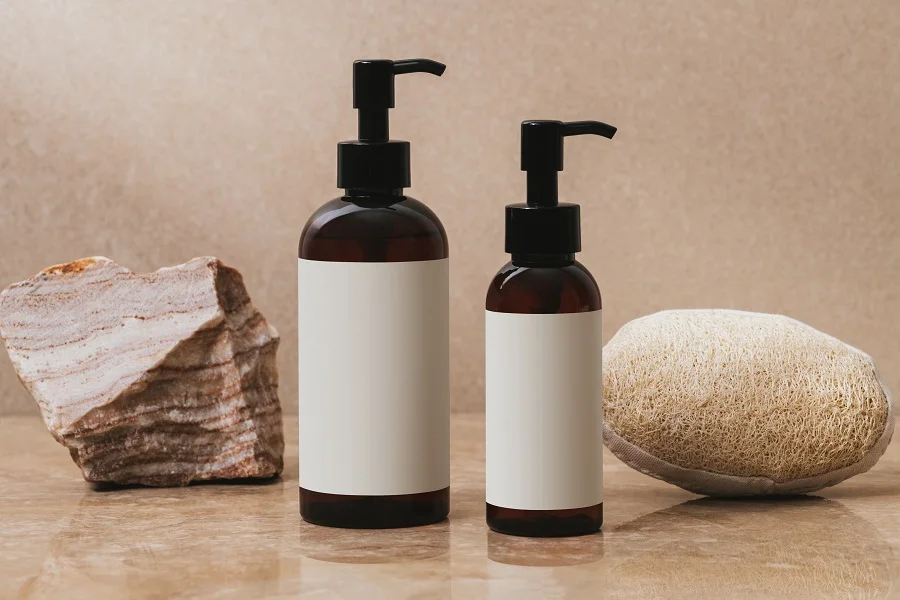
Selecting the right labeling method involves carefully evaluating several factors to ensure optimal adhesion, durability, and visual appeal.
- Container Material: Different materials demand specific approaches. For example, plastic often works well with pressure-sensitive labels, while glass might require specialized adhesives or direct printing. Textured or curved surfaces necessitate conformable label materials or alternative application methods.
- Product Characteristics: Consider your product's needs. Refrigerated items require cold-resistant labels, while products exposed to heat need temperature-resistant materials. Oily or wet surfaces demand specialized adhesives designed for challenging environments. Will the product be frozen, microwaved, or exposed to chemicals?
- Artwork Complexity: Match your labeling technology to your design complexity. Basic text labels suit thermal printing or simple adhesives. High-resolution images, gradients, and metallic effects could require advanced screen or digital printing. The design's intricacy impacts both cost and timelines.
- Storage Conditions: Assess the environmental factors your labels will endure. Temperature fluctuations can cause curling or fading, humidity can degrade adhesives, and UV exposure requires fade-resistant inks and coatings. Understanding these factors will ensure labels maintain their appearance and functionality.
Common Container Labelling Methods: Pros & Cons
Printed Adhesive Labels
Printed adhesive labels are often the most versatile and cost-effective solution for many applications. These labels accommodate detailed graphics, variable data printing, and complex artwork while maintaining reasonable production costs.
Various paper and film substrates provide options for different durability requirements, from basic paper labels for short-term use to synthetic materials for harsh environments. The wide range of adhesive formulations allows customization for specific application conditions, making this method ideal for diverse products and industries.
However, printed adhesive labels aren’t perfect. In extreme conditions, they can be susceptible to edge lifting, moisture penetration, and adhesive failure. Application quality varies depending on surface preparation and technique, potentially affecting overall appearance and durability.
Screen Printing
Screen printing delivers exceptional durability and visual impact by applying ink directly to container surfaces. This method produces vibrant colors, sharp graphics, and excellent adhesion that won't peel or separate from the container.
Screen printing works particularly well for simple designs with solid colors and is highly cost-effective for large production runs. The process can accommodate various ink types, including specialty inks for specific performance requirements.
On the downside, screen printing includes higher setup costs for complex designs, challenges with intricate graphics, and minimum quantity requirements that may not be ideal for smaller productions. Color changes require separate screens, potentially increasing costs for multi-color applications.
Printed Shrink Sleeves
Shrink sleeve labels conform perfectly to complex container shapes, providing 360-degree coverage and tamper-evident properties. This method accommodates challenging geometries that traditional labels cannot. Shrink sleeves offer excellent graphic quality, moisture resistance, and the ability to incorporate security features that enhance product integrity.
One downside is that the application process requires specialized equipment and careful temperature control, potentially increasing production complexity and costs. Removal can be challenging for consumers, and the additional plastic material may not align with sustainability goals.
In-Mold Labeling (IML)
In-mold labeling creates permanent labels that become integral parts of plastic containers during the molding process. This method produces extremely durable results that cannot be separated from the container and supports recycling when using compatible materials. IML eliminates secondary labeling operations and offers excellent print quality with sharp graphics and vibrant colors.
As setup costs and minimum order quantities are high, IML is suitable primarily for high-volume applications. The process requires coordination between container manufacturing and labeling, potentially complicating supply chain management.
#cta_start
Bring Your Vision to Life: Custom Labeling Solutions Await!
From unique shapes to vibrant designs, Ashland Container can help you create custom labels that capture your brand's identity. Get a quote today!
#cta_end
Alternative Labelling Solutions: DIY and Reusable Options
For businesses prioritizing cost-effective or flexible solutions, these DIY and reusable labeling options can be viable alternatives:
- Label Makers: These handheld devices are a fast and customizable way to create professional-looking labels on demand. With various fonts, sizes, and symbols, label makers are ideal for inventory management, file organization, and short-term labeling needs. However, labels may not be as durable as professionally printed options.
- Chalkboard Labels: These reusable labels provide a rustic and adaptable option for containers with frequently changing contents. Easy to update with chalk or chalk markers, they're perfect for pantry organization, craft supplies, and rotating inventory. Chalkboard labels are charming, but may not be suitable for all branding styles.
- Handwritten Labels: For a personal touch, handwritten labels add authenticity to artisanal, local, or small-batch products. This approach works well for farmers' markets and craft shows, where a human connection enhances perceived value. However, handwritten labels generally lack the professional appearance needed for larger-scale commercial applications.
Tips for Applying Labels for Maximum Impact
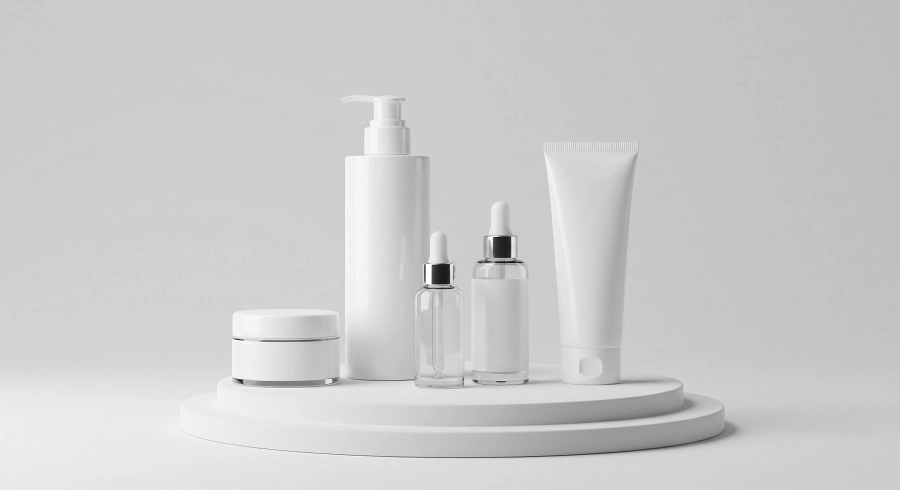
Even the best labeling method can fall short if not applied correctly. We’ve compiled these tips to help you achieve a professional finish that maximizes visual appeal and long-term durability:
Surface Preparation Is a Key
- Thoroughly clean the container surface with isopropyl alcohol or a similar degreaser to remove dust, oils, and residues. This ensures optimal adhesive bonding.
- Allow the surface to dry before applying the label. Moisture can weaken adhesion and lead to peeling or bubbling.
- For plastic containers, consider wiping the surface with a lint-free cloth treated with an adhesion promoter for better results.
Precise Placement and Alignment
- Use a ruler or template to ensure consistent label placement across all containers. This creates a professional and uniform appearance.
- Consider the container's shape and design. Center the label for symmetrical containers, and align it parallel to the base for asymmetrical ones.
- Avoid placing labels across seams, edges, or other irregularities, as this can compromise adhesion.
Applying Labels to Round Containers
- First, choose the side on which to apply.
- Carefully peel off one end of the label.
- Align the label to the container.
- Once the first side is attached, slowly peel the label while attaching the other side.
Maximize Durability and Adhesion
- Apply firm, even pressure to the entire label surface to ensure complete contact with the container. Use a rubber roller or squeegee to eliminate air bubbles and promote adhesion.
- Avoid touching the adhesive side of the label during application, as this can transfer oils and contaminants that reduce bonding strength.
- For shrink sleeves, use a heat gun or shrink tunnel to evenly shrink the sleeve around the container, ensuring a tight and wrinkle-free fit.
Making the Right Choice for Your Product Packaging
The optimal container labeling method requires balancing factors, including cost, durability, aesthetic requirements, and regulatory compliance. No single solution works for every application, so evaluate your needs carefully. Get it right from the start; consider both immediate requirements and long-term goals when making labeling decisions, as changes can be expensive and time-consuming once production begins.
Ashland Container Corp., with over 50 years of industry experience, offers comprehensive packaging solutions, including custom screen printing. Our expertise in matching clients with appropriate manufacturers and labeling solutions can help navigate the complex landscape of container labeling options. You don’t need to go through this process alone. Contact us for a free consultation today!

Recent Posts

Nutraceuticals Product & Packaging Trends for 2026
Explore the latest nutraceutical packaging trends for 2026. From sustainable designs to smart packaging innovations — stay ahead in the growing wellness market!

Anatomy of a Bottle: Complete Guide to Bottle Parts and Components
Understand bottle anatomy — from the finish to the base — in this expert guide from Ashland Container, a trusted packaging supplier.
Trigger Sprayer Shortage: Low-Cost Trigger Sprayer Solutions for Buyers in 2026
Explore the 2026 trigger sprayer shortage and how one buyer cut costs from $0.28 to under $0.20 with Ashland Container’s strategic sourcing support.