
Why Plastic Bottles Are Ideal for Beverage Packaging
- ByRobert "Rob" Starmann
- March 26, 2026
Plastic bottles have long been the preferred choice in the beverage industry, thanks to their exceptional quality, durability, and versatility. As a cost-effective packaging solution, they continue to meet the demands of manufacturers and consumers alike.
The Ashland Container team has decades of expertise in packaging, and we understand why plastic bottles remain the leading option for beverage packaging, offering your brand unmatched value, efficiency, and innovation.
What Makes Plastic Bottles a Good and Cost-Effective Option?
Plastic bottles remain the dominant choice for beverage packaging because they are cost-effective, lightweight, and efficiently transported. Compared to heavier materials like glass, plastic reduces shipping costs, energy consumption, and carbon emissions, as it weighs significantly less.
Example: If you're producing soda and need beverage packaging, you're likely choosing between two options: glass or plastic. Glass bottles are heavier, which increases shipping costs, fuel consumption, and delivery times. This means higher prices for your product and longer wait times for consumers.
On the other hand, plastic bottles are lighter and more cost-efficient to transport. Products packaged in plastic bottles can reach stores or consumers more quickly, resulting in faster product availability on shelves or for direct delivery to customers, which can be advantageous for businesses aiming to meet consumer demand promptly.
In summary, plastic bottles bring cost savings, faster delivery, and a smaller environmental impact, making them the smarter choice for everyone.
How Durability and Safety Make Plastic Bottle Quality Stand Out
In the beverage industry, you need packaging that is durable, safe, and practical for everyday use. Plastic bottles meet these demands by offering shatter resistance, which ensures products stay intact during transportation, storage, and handling. In addition to their shatterproof nature, plastic bottles have several other qualities that make them a top choice for beverage packaging, as they are:
- Impact-resistant: Plastic bottles can withstand rough handling without cracking or compromising the product.
- Long-lasting: Plastic is durable in various environmental conditions, including temperature fluctuations.
- Efficient for shipping: Due to their optimized design, plastic bottles are easy to stack and transport, reducing overall costs and minimizing damage.
- Safe for consumers: With no risk of glass shards, plastic bottles offer peace of mind for both manufacturers and consumers.
These characteristics make plastic bottle quality outstanding, especially in an industry where breakage can lead to significant waste and consumer dissatisfaction.
Consumer Convenience
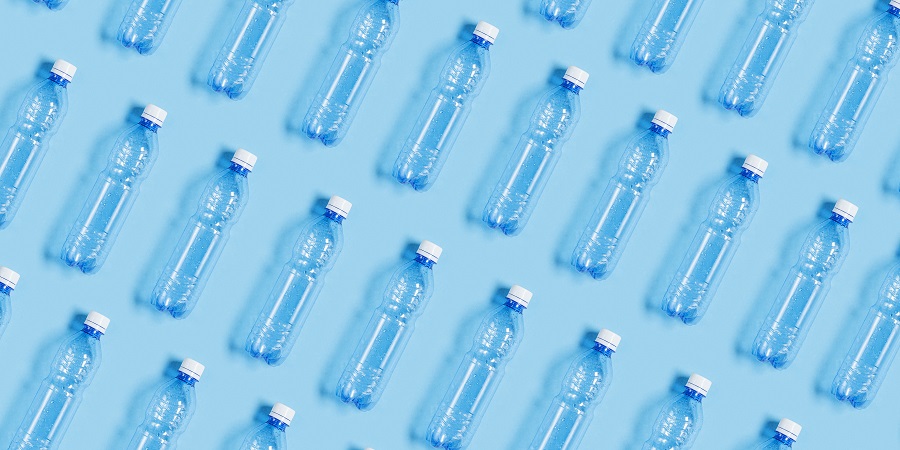
As we’ve hinted at, plastic bottles are the top choice for beverage packaging due to their unmatched consumer convenience. Their features cater to modern, on-the-go lifestyles. These features include:
- Resealability: Allows for easy storage and consumption at your convenience.
- Portability: Easy to carry, perfect for active and busy consumers.
- Ergonomic design: Comfortable to hold and use, enhancing the overall user experience.
Plastic bottles are also available at Ashland Container in a wide range of sizes, from single-serve to family-sized containers. This versatility gives brands flexibility to meet various consumer needs and preferences, ensuring practicality for fast consumption or larger servings.
These key benefits showcase how plastic bottles align perfectly with consumer demands for practical, convenient packaging that seamlessly fits into daily routines.
Sustainability & Recycling Innovations
Sustainability continues to be a significant challenge for the plastic packaging industry, but ongoing innovations are making plastic bottles more eco-friendly. We’ve outlined some notable advancements:
- Closed-loop recycling: Reducing waste by recycling plastic bottles into new bottles.
- Recycled PET (rPET): Using 100 percent recycled materials to reduce reliance on virgin plastic.
- Bio-based plastics: Development of plant-based alternatives to reduce the carbon footprint of plastic production.
While the green movement creates challenges, it also offers substantial opportunities for innovation. Brands are investing heavily in better recycling systems and sustainable packaging practices to meet growing consumer demand for environmentally responsible options.
With improved recycling infrastructure and continued innovation, plastic bottles are becoming more sustainable and are well-positioned to align with consumer and regulatory expectations.
Alternatives That Challenge the Quality of Plastic Bottles
While paper, aluminum, and molded fiber are emerging as eco-friendly alternatives to plastic in the packaging industry, they still have several limitations when it comes to beverage packaging. Below, we’ve compared these alternatives and outlined why plastic bottle quality outperforms other packaging options:
As you can see, plastic bottles continue to be the top choice for beverage packaging due to their combination of quality, cost-effectiveness, and sustainability. As they are both versatile and durable, they continue to meet the needs of both brands and consumers.
Let’s Build Smarter Plastic Packaging Together
Need a partner that understands the importance of quality plastic packaging? At Ashland Container, we’re committed to providing sustainable and high-quality plastic bottle solutions that support your packaging needs and environmental goals.
Contact us today to explore our sustainable packaging options and learn how Ashland Container can help enhance your brand’s packaging strategy and overall consumer perception.


Recent Posts

Colored Glass Bottles for Essential Oils: The Best Color Options
Keep essential oils fresh with colored glass bottles, proven to block 99% of harmful UV rays. Request your free consultation from Ashland Container today!
HDPE vs. PET: Which Plastic Bottle Is Right for You?
Compare HDPE vs. PET plastic bottles for your packaging needs. Learn about durability, clarity, chemical resistance, and cost differences from Ashland Container's 50+ years of expertise.
Packaging Compatibility Testing: Your Guide to Packaging Quality Assurance and Standards
Prevent recalls and protect customers with packaging compatibility testing methods and standards that keep packaging safe and reliable with Ashland Container.