
Packaging Compatibility Testing: Your Guide to Packaging Quality Assurance and Standards
- ByRobert "Rob" Starmann
- March 30, 2026
What is packaging compatibility testing? It’s the process that ensures that materials and products work together safely, preventing contamination, leaching, or loss of quality while protecting shelf life and reliability. It also reduces the risk of expensive failures that can erode customer trust.
At Ashland Container, we see packaging compatibility testing as a cornerstone of quality assurance, providing businesses with custom packaging solutions that deliver consistent performance from production through final delivery.
Key Packaging Compatibility Testing Methods
Packaging compatibility spans several disciplines, each focused on a different aspect of product protection. These methods work together to ensure that packaging is safe, durable, and reliable in real-world conditions.
- Chemical and migration testing: Evaluates chemical interactions between packaging and product. For example, migration testing in food packaging or cosmetics is especially important for protecting consumers from contamination and ensuring compliance with safety regulations.
- Physical and performance testing: Simulates shipping and handling conditions to ensure optimal performance. Packaging performance testing includes mechanical durability tests to confirm that closures, seals, and liners maintain integrity and that containers resist leaks or deformation.
- Product and package interaction testing: Studies how specific product formulas behave inside chosen packaging. Accelerated aging replicates months of storage and may reveal failures such as corrosion in metals, softened plastics, dissolved seals, or altered product scent and color.
Packaging Testing Standards & Compliance: Why They’re Essential for Your Business
Packaging testing standards may not be top of mind, but they give structure and credibility to your products and your brand. They also ensure results are consistent and recognized across industries. They provide a framework for proving safety and performance to regulators and customers.
ASTM, ISO, ISTA, and FDA/EU Requirements

Several organizations set the benchmarks for packaging testing. Each focuses on different aspects of safety, performance, and compliance, but together they create a consistent global framework.
- ASTM (American Society for Testing and Materials): Provides widely used methods for testing packaging strength, durability, and performance. For instance, ASTM D642 measures the compression resistance of shipping containers.
- ISO (International Organization for Standardization): Offers globally recognized standards that unify packaging testing across industries. ISO 11607, for example, sets requirements for packaging used with sterilized medical devices.
- ISTA (International Safe Transit Association): Specializes in protocols that simulate real-world shipping conditions, including vibration, shock, and environmental stresses, to confirm that products stay safe during transit.
- FDA/EU regulations: Focus on consumer protection for food and pharmaceuticals. These rules govern migration limits, material safety, and labeling compliance to ensure that packaging does not compromise the product's integrity.
Ensuring Consistency and Reliability
By following standardized methods, businesses achieve packaging results that are repeatable and comparable. This consistency builds confidence in packaging reliability and helps prevent errors that could impact the product’s quality.
Documenting Test Results for Audits and Approvals
Documenting test outcomes clearly supports regulatory submissions, customer audits, and internal quality programs. Records show compliance with standards and provide evidence that packaging performs as intended throughout its lifecycle.
Supporting Sustainable Material Choices
Compatibility testing also plays a role in sustainability. Packaging material testing verifies how recycled, biodegradable, or lightweight materials perform. From there, businesses can adopt eco-friendly packaging options without compromising product safety or compliance.
Industry Applications of Compatibility Testing
Different industries face unique challenges when it comes to packaging safety and reliability. Compatibility testing adapts to these needs and ensures that materials, seals, and designs meet both functional and regulatory requirements. We’ve outlined some industry-specific examples below.
Food and Beverage
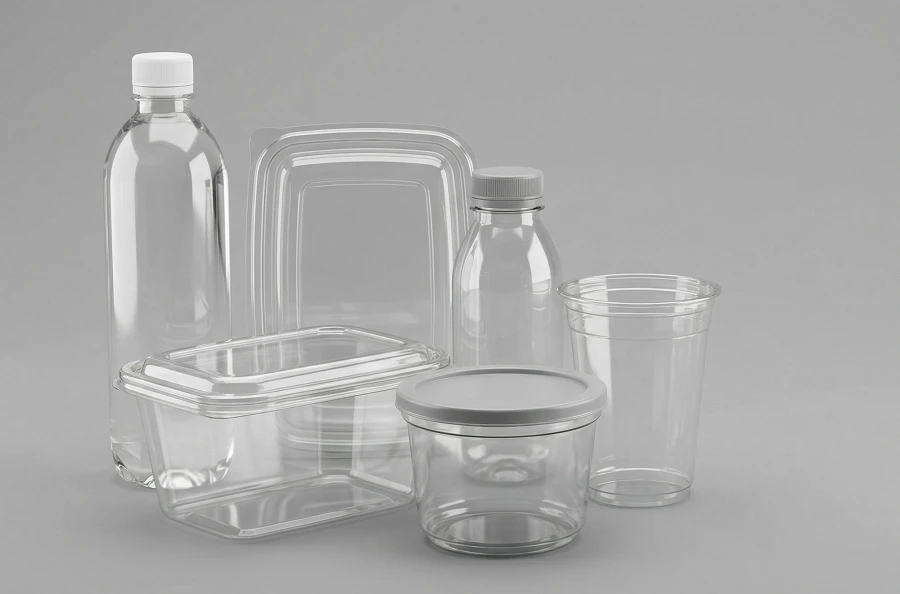
In food and beverage packaging, compatibility testing focuses heavily on migration, seal integrity, and temperature resistance. Food packaging testing verifies that packaging prevents chemical transfer, withstands refrigeration or heating, and maintains freshness. With strict FDA and EU requirements, manufacturers must prove that packaging protects consumers from contamination while also preserving flavor and quality throughout shelf life.
Pharmaceuticals and Healthcare
For pharmaceuticals and healthcare products, packaging must maintain sterility and barrier integrity under demanding conditions. Product packaging testing ensures that the seals and closures prevent contamination, while barrier property tests confirm resistance to oxygen, moisture, and light. Regulatory compliance is especially important in these verticals, as packaging failures can compromise patient safety and violate strict requirements.
Chemicals and Industrial Products
Industrial packaging often faces the harshest conditions. Compatibility testing evaluates resistance to corrosive substances, pressure changes, and environmental stress. Containers must withstand chemical reactions, prevent leaks, and remain safe for handling and transport. Testing also ensures compliance with hazardous material regulations, protecting workers and supply chains from unnecessary risk.
Cosmetics and Personal Care
Cosmetics and personal care products often contain oils, alcohols, and fragrances that may react with plastics or coatings. Compatibility testing identifies the right materials to prevent discoloration, scent changes, or product instability. Beyond safety, this testing also supports branding by ensuring packaging maintains its appearance and usability throughout storage and consumer use.
Basic Package Testing vs. Compatibility Testing
Packaging tests fall into two main categories: basic methods measure how well a container withstands handling and transit, while compatibility testing examines how packaging and product interact over time.
Quality assurance is pivotal in packaging; it identifies risks early, from chemical interactions to physical stress, and keeps packaging quality consistent across production, shipping, storage, and delivery to the customer. This is why it’s so pivotal to invest in packaging compatibility testing upfront. It reduces the risk of recalls, waste, and customer complaints, ultimately protecting brand equity and lowering long-term costs. This small investment can make a world of difference in your company’s long-term success.
Don’t Ship Problems — Test Your Packaging First
At Ashland Container, we bring decades of packaging industry knowledge to every project and can help you navigate the process with ease. Reach out today to explore compatible materials, access tested solutions, and ensure compliance with custom packaging solutions that perform reliably from start to finish.


Recent Posts
Why Plastic Bottles Are Ideal for Beverage Packaging
Why does plastic bottle quality remain top-tier in beverage packaging? Read Ashland Container's guide, with 50+ years of experience in the packaging industry.

Colored Glass Bottles for Essential Oils: The Best Color Options
Keep essential oils fresh with colored glass bottles, proven to block 99% of harmful UV rays. Request your free consultation from Ashland Container today!
Benefits of Clear Containers: Why Transparency Matters
Explore the benefits of clear plastic packaging and how it boosts brand visibility, trust, and safety, based on Ashland Container's 50+ years of experience.