
Enhance Your Beauty Product: Choosing the Right Cosmetic Tube Materials
- ByRobert "Rob" Starmann
- February 19, 2026
Packaging is the first line of defense for your precious cosmetic formulas. The wrong choice can compromise product stability, diminish shelf life, and ultimately disappoint your customers. Selecting the right tube material directly impacts product integrity, aesthetics, and the overall consumer experience, affecting everything from high-end creams to everyday lotions. It can feel daunting to navigate this landscape of options, with each material presenting unique properties and benefits.
That's where Ashland Container comes in. With our extensive industry knowledge and commitment to customer success, we help beauty brands choose the ideal cosmetic tube packaging to maximize product efficacy and brand appeal. We offer guidance on everything from material selection to decoration techniques, ensuring your packaging protects your formula and elevates your brand.
Let us be your partner in crafting packaging solutions that safeguard your products and captivate your audience.
Understanding the Basics of Cosmetic Tube Packaging
Fundamentals are key in choosing the right tube for your cosmetic product. Let’s explore how these tubes are made and the essential role they play.
Extrusion vs. Injection Molding
The tube body in plastic extrusion is formed from forcing molten plastic through a die, resulting in a seamless tube. Extrusion allows for continuous production, making it cost-effective for large runs of standard tube shapes, and is often used for monolayer and co-ex tubes.
Injection molding involves injecting molten plastic into a mold to create the tube body and shoulder as a single piece. The injection molding process is only good for a high-quality, high-end product.
The Role of Barrier Layers
Many cosmetic formulas are sensitive to oxygen, moisture, light, and other external factors. Barrier layers within the tube structure are crucial for protecting these sensitive ingredients, extending shelf life, and maintaining product efficacy.
Common barrier materials include EVOH (Ethylene Vinyl Alcohol), an excellent barrier against oxygen and fragrance loss. It’s commonly used in co-ex tubes and aluminum foil, which provides an exceptional barrier against light, oxygen, and moisture. All tubing is great at temperature control.
Why Choose Tube Plastic Packaging?
For many cosmetic products, tubes are advantageous for several reasons. Squeeze tubes, for example, allow for controlled and hygienic dispensing of creams, lotions, gels, and other formulas.
Tubes are lightweight, durable, and easy to transport, making them ideal for on-the-go use. Consumers can squeeze out nearly all the product, minimizing waste. Squeeze tubes can prevent air and bacteria from entering the product, helping to maintain its freshness and integrity.
Types of Plastic Tubing Materials for Cosmetics
Material choice is paramount when selecting tube packaging for cosmetics. Each offers distinct properties and benefits that we’ve outlined below.
Monolayer Tubes (PE)
Polyethylene (PE) is a versatile and cost-effective plastic widely used for cosmetic tubes. Different types of PE offer varying levels of flexibility:
- LDPE (Low-Density Polyethylene): Highly flexible and easy to squeeze, making it ideal for dispensing lotions, creams, and gels. This is the perfect container to preserve the softness and viscosity needed for the products.
- HDPE (High-Density Polyethylene): Stiffer and more rigid than LDPE, offering improved barrier properties and chemical resistance. HDPE is a good choice for products that need more robust protection and packaging that will be easy to stack.
- LLDPE (Linear Low-Density Polyethylene): Offers a balance of flexibility and strength, providing good tear and puncture resistance. LLDPE is an excellent container for long-lasting products.
PE tubes are generally cost-effective, making them ideal for mass-market cosmetic products. Recyclability varies depending on the specific type of PE and local recycling infrastructure.
Co-Extruded (Co-Ex) Tubes (PE/EVOH/PE)
Co-ex tubes feature a multi-layer construction, typically with layers of polyethylene (PE) and a core layer of EVOH (Ethylene Vinyl Alcohol). EVOH provides a superior barrier against oxygen, moisture, and fragrance loss, making these tubes ideal for:
- Sensitive Formulations: Products containing active ingredients like retinol, vitamin C, or peptides that are prone to degradation.
- High-Fragrance Products: Products where fragrance retention is crucial, such as perfumes, essential oil blends, or fragranced creams.
- Sunscreens: Formulas that need protection from UV exposure.
Laminated Tubes (Alu-Poly, Poly-Only)
Laminated tubes consist of multiple layers of plastic and, in some cases, an aluminum barrier layer. They offer the highest level of protection and a premium aesthetic:
- Alu-Poly Laminates: Feature an aluminum foil layer sandwiched between layers of polyethylene and provide exceptional barrier properties and a distinctive "dead-fold" characteristic (the tube retains its shape when squeezed). It’s often used for high-end face creams or beauty products.
- Poly-Only Laminates: Offer a more sustainable alternative, using multiple layers of different types of polyethylene to achieve barrier properties without aluminum.
Matching Tube Material to Cosmetic Formula
Selecting the right tube material goes beyond general product categories; it requires careful consideration of specific ingredients and properties of your cosmetic formula to ensure it’s compatible and stable.
Oil-Based Products
Oil-based formulas, such as rich creams, balms, and anhydrous serums, generally exhibit good compatibility with a variety of tube materials. However, consider the potential for interaction with certain plastics, even over extended periods:
- Laminated Tubes (Alu-Poly): The aluminum barrier layer offers excellent protection against oil permeation and potential degradation of fragrance or other sensitive ingredients. The tube will also keep the product's smell.
- HDPE (High-Density Polyethylene): Offers good chemical resistance to many oils and provides a cost-effective option. Perform compatibility testing to ensure no leaching or degradation occurs. HDPE is easy to preserve and doesn’t contain the potential dangers of degradation, leaching, or others.
Water-Based Products
Water-based formulas, including lotions, gels, and serums, require tube materials that prevent moisture loss and maintain product integrity. Avoid certain materials due to potential compatibility issues:
- Unlined Aluminum: Direct contact with aluminum can cause corrosion and reactivity, altering the formula's pH, color, or texture. Avoid aluminum tubes for water-based products unless they have an appropriate inert liner.
- Poor Quality PE: Low-quality polyethylene may allow moisture to permeate, leading to product dehydration or microbial growth. Choose higher-grade PE or multi-layer tubes with barrier properties.
Tube Properties and Cosmetic Formula Compatibility
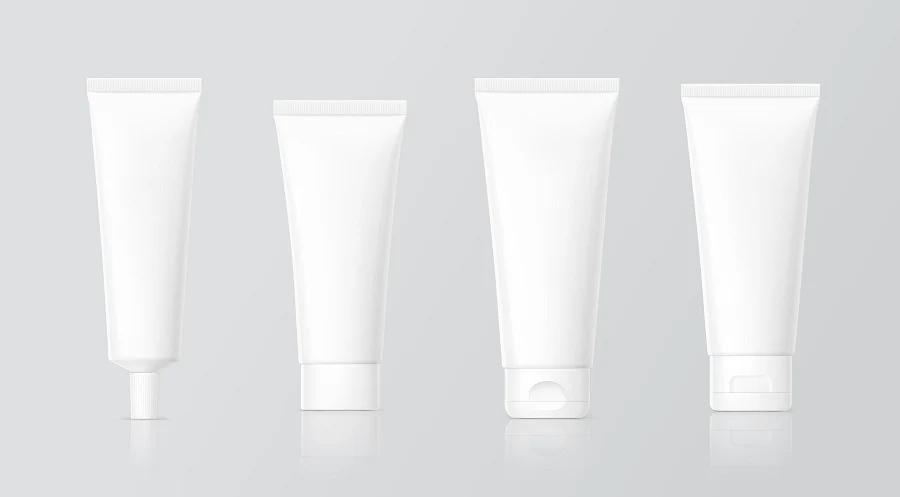
The characteristics of your tube itself play a significant role in how well it protects and delivers your cosmetic product. Here are some considerations.
Cosmetic Tube Thickness and Function
The cosmetic tube’s number of layers and overall thickness directly impact its protective capabilities and how it feels in your consumer’s hand.
- Single-Layer Tubes: These are the most basic and lightweight option, offering excellent squeeze-ability. They are best suited for general cosmetic products like shampoos and conditioners with low viscosity, where barrier protection is less critical.
- Double-Layer Tubes: The added layer provides increased barrier properties and enhanced durability. These tubes are a good choice for products like creams and lotions where controlled dispensing and protection from external elements are important. The double layer typically improves the tube's resistance to cracking and splitting.
- Five-Layer Tubes: These high-end tubes offer the ultimate protection for sensitive cosmetic formulas. The multiple layers provide superior barrier properties against oxygen, moisture, and light, ensuring the integrity of active ingredients and extending shelf life. Five-layer tubes are often used for premium serums, sunscreens, and other products requiring exceptional preservation.
Material Reactivity
Certain cosmetic ingredients can react with the tube material, leading to product degradation, discoloration, or even container failure. Understanding potential reactivity is crucial for selecting a compatible tube:
- Avoid Unlined Aluminum with Certain Ingredients: Direct contact with aluminum can cause corrosion, especially with acidic or alkaline formulas. Always use lined aluminum tubes or opt for plastic alternatives when dealing with reactive ingredients.
- Consider pH Sensitivity: Highly acidic or alkaline products can degrade certain plastics over time, leading to leaching or container deformation. Perform compatibility testing to ensure the chosen material can withstand the product's pH level throughout its shelf life.
Squeeze Test
A simple squeeze test provides valuable insights into a tube's dispensing performance and structural integrity:
- Ease of Dispensing: The tube should dispense the product smoothly and easily with light pressure. Excessive force required to dispense the product can indicate a problem with tube design or material selection.
- Leakage and Cracking: The tube shouldn’t leak or crack during squeezing. These issues can indicate poor seam sealing or weak material.
- Shape Recovery: The tube should return to its original shape after dispensing without significant deformation. Poor shape recovery may allow air to re-enter the tube, potentially leading to product oxidation or contamination.
Get Your Free Cosmetic Tube Packaging Consultation!
Ready to take your product packaging to the next level, but you’re unsure where to start? Contact Ashland Container today to schedule your free consultation. We'll discuss your needs and recommend the perfect tube material for your cosmetic formula.
Choosing the Right Material for Your Cosmetic Products
Selecting the ideal tube material for your cosmetic product is a critical decision with far-reaching implications. It's more than just finding a container; it's about protecting your formula's integrity, enhancing its appeal, and guaranteeing a positive consumer experience.
By carefully considering the factors outlined in this guide — from barrier properties and material reactivity to thickness and dispensing performance — you can make informed choices that maximize your product’s value and strengthen your brand. If the process seems overwhelming, don’t stress; that's where we come in.
At Ashland Container, we provide our long-time expertise in helping beauty brands like yours find the precise packaging solutions. Contact us today for a free consultation and let us help you choose the perfect tubing.

Recent Posts
How to Prevent Plastic Bottle Paneling and Save Your Brand
Learn how to prevent plastic bottle paneling and protect your brand image! Our guide covers material selection & testing. Get expert help from Ashland Container!
Plastic vs. Glass Packaging: Which Is Right for Your Brand?
Confused about plastic vs. glass? Learn the pros and cons, cost considerations & sustainability factors with expert guidance from Ashland Container. Get the perfect solution!

Anatomy of a Bottle: Complete Guide to Bottle Parts and Components
Understand bottle anatomy — from the finish to the base — in this expert guide from Ashland Container, a trusted packaging supplier.