
Foam Pump Bottle Suppliers
Foam pump bottles help brands control dosage, reduce waste, and improve usability. Products like hand wash, skincare, and household cleaning formulas perform best when foam spreads evenly, stays in place, and packaging tolerates repeated handling without leaks. Working with an experienced foam pump bottle supplier helps prevent issues with material compatibility and foam performance.
At Ashland Container, we draw on decades of packaging experience to help brands avoid issues with foam output, material compatibility, and supply continuity.
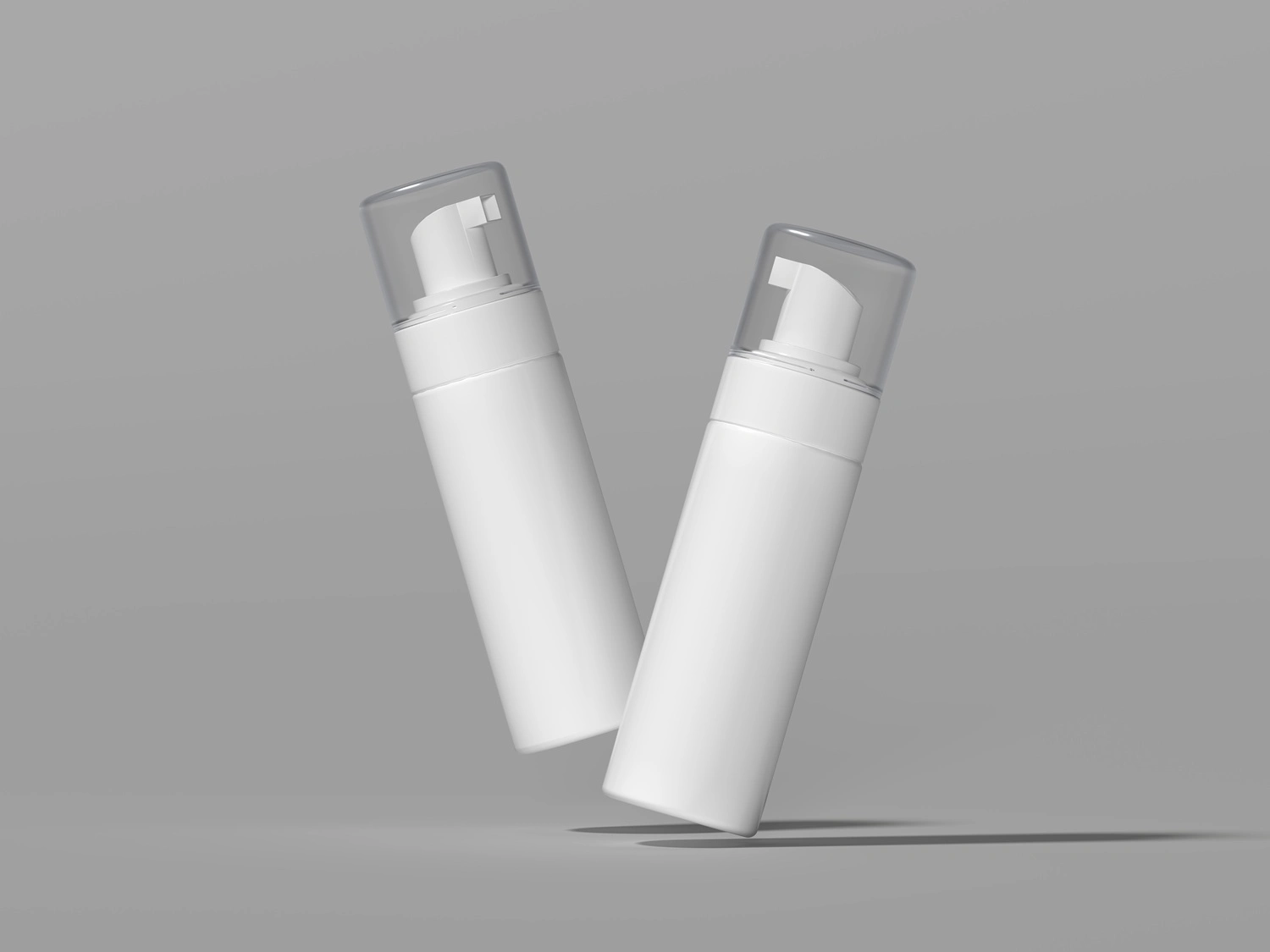


Foam Pump Bottle Materials We Offer at Ashland Container
Foam pump packaging must balance chemical compatibility, rigidity, impact resistance, and pump efficiency. As a foam pump bottles supplier, our primary material options include:
.avif)
PET (Polyethylene Terephthalate)
Clear, rigid, and highly shatter-resistant; ideal for premium retail visibility. PET foam bottles are commonly used for facial cleansers, foaming soaps, and sanitizers.
.avif)
HDPE (High-Density Polyethylene)
Offers superior impact resistance and a more chemical-resistant profile for industrial and household applications. HDPE is preferred for formulas containing solvents or surfactants that may stress PET.
.avif)
PP (Polypropylene) Foaming Pump Assemblies
Pump components (housing, actuator, overcaps) are typically PP due to its chemical resistance and ability to maintain pump tolerances, aligning with industry-standard designs such as high-viscosity PP foaming pumps.
.avif)
PCR resin (Post-Consumer Recycled)
Available for brands prioritizing sustainability initiatives. PCR PET and PCR PP options reduce virgin plastic consumption while maintaining pump compatibility, a growing demand in personal care, and eco-focused SKUs.
Our Foam Pump Bottle Styles
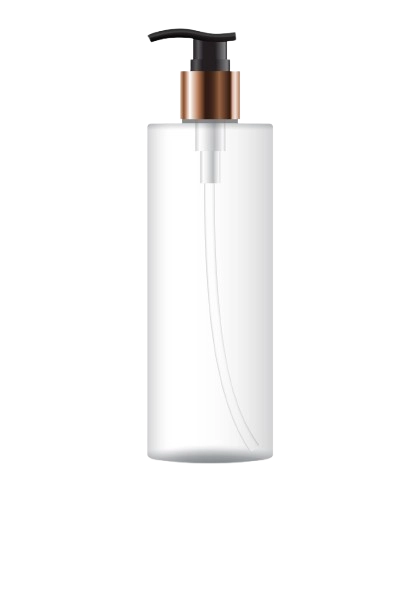
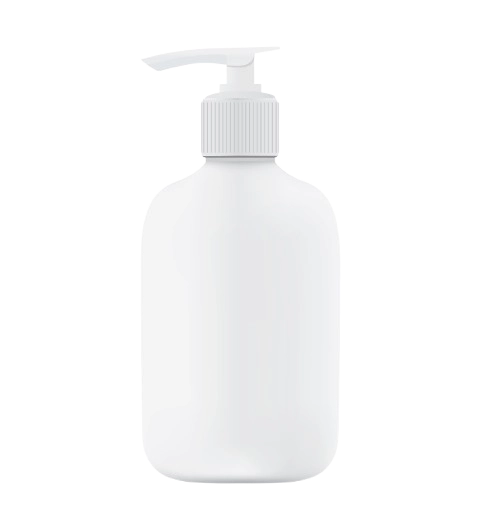
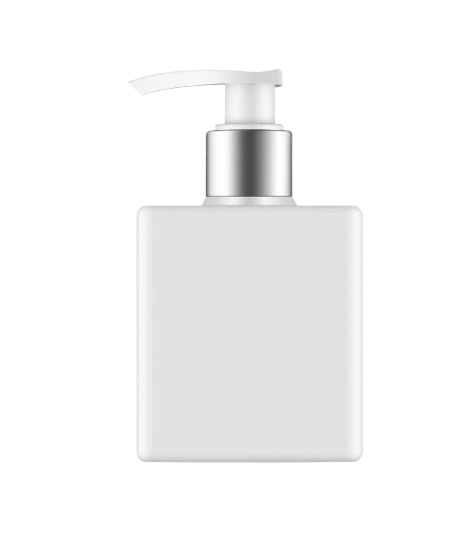
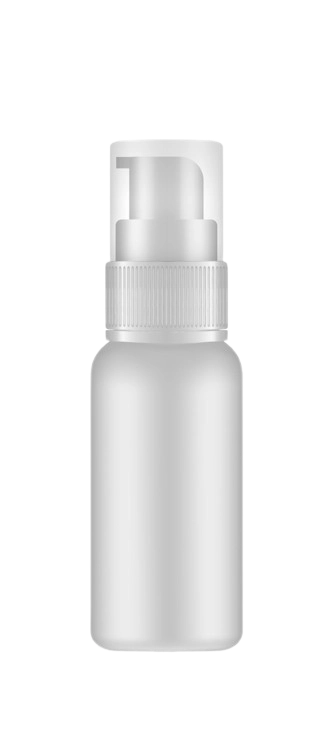
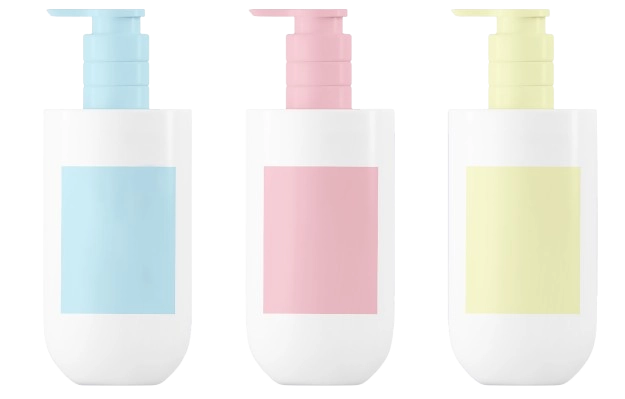
We supply several wholesale foam pump bottle styles suited for personal care, cleaning, hospitality, and amenity programs:



Drive Repeat Purchases with Better Foam Dispensing
Foam pump bottles need alignment between the bottle resin, the pump system, and the formula to ensure consistent foam output and leak resistance. Careful specification helps avoid issues during shipping, storage, and daily consumer use.
Industries We Serve with Foam Pump Bottles
Foam pump bottles support multiple verticals where dosage accuracy, shelf appeal, and controlled flow matter:
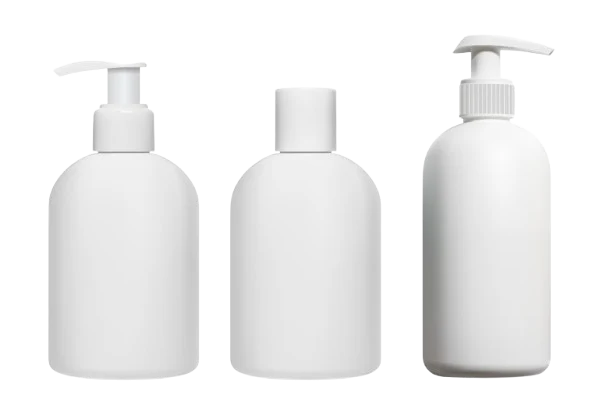
Used for foaming facial cleansers, micellar products, acne treatments, and tanning removers. Foam gives controlled dosing, better spreadability, and a clean, premium experience that supports daily use without excessive waste.
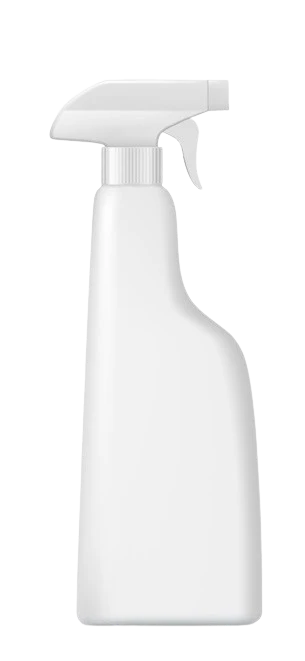
Ideal for foaming degreasers, bleach-free cleaners, and multi-surface sprays. Foam sits longer on vertical surfaces, improves contact time, reduces dripping, and helps prevent consumers from overusing concentrated formulas.

Healthcare and Sanitization
Used for medical hand hygiene and facility sanitizers. Foam spreads evenly across the skin, dries quickly, minimizes product waste, and supports high-volume use when strict hygiene requirements are high.

Hospitality
Common in hotels, gyms, and spas, where guests expect familiar packaging and refillable formats. Foam supports portion control for housekeeping teams and reduces plastic use for high-turnover amenities programs.
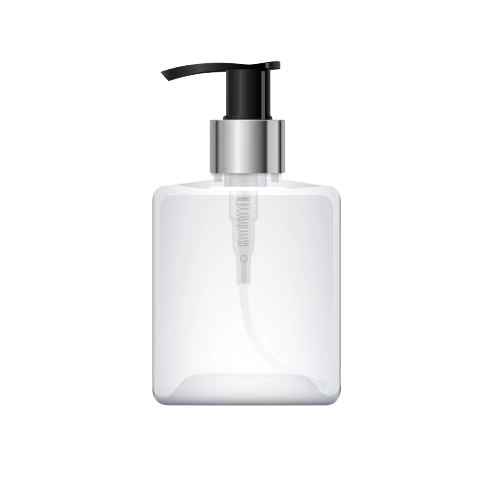
Ideal for foaming shampoos and paw cleaning solutions. Foam rinses easily from fur, allows targeted application, and reduces the total amount of product required by pet owners during regular grooming.
Industrial and Automotive
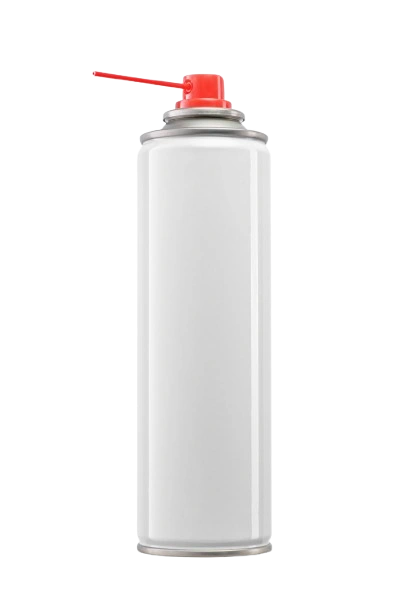
Preferred for solvent-compatible cleaners and degreasers in workshops and detailing environments. HDPE options improve chemical resistance while foam delivery increases dwell time on dirty or intricate surfaces.
Why Choose Ashland Container as Your Foam Pump Bottle Supplier?
Foam pump systems must perform across filling lines, distribution, storage, and consumer use. Lean on Ashland Container to reduce that complexity and support stable performance throughout the product lifecycle.

Deep Packaging System Expertise
Extensive experience with resin behavior, pump mechanics, and filling environments supports correct system configuration and helps avoid performance issues such as leaking, poor foam structure, paneling under distribution stress, and premature pump wear in consumer use.
Application Focused Support
Consideration of how packaging will be filled, handled, and shipped results in better decisions around neck finishes, thread durability, torque requirements, and sealing methods. This reduces complaints, returns, and rework for brands with seasonal or subscription-based demand.
Compatibility and Leakage Performance
Coordinated matching of bottle resin, geometry, and pump specifications supports stable foam output and minimizes leakage during transit. System-level performance delivers a consistent consumer experience across filling runs and distribution environments without mid-launch packaging adjustments.
Sustainable Material Options
Availability of PCR PET and PP formats for brands working to reduce virgin resin usage and integrate refill-based product models. These options support sustainability metrics without compromising factors like filling line performance, label adhesion, or compatibility with beauty and hygiene formulas.
Reliable Supply and Inventory
Support for pilot and high-volume programs with stable stock levels and realistic lead times. This helps prevent production interruptions, emergency packaging changes, and inventory shortages that impact contract fillers, private label manufacturers, and amenity suppliers operating on tight schedules.

Ready to Source Reliable Foam Pump Bottles for Your Product Line?
Stop dealing with pumps that clog, bottles that dent, or supply delays that halt production. Partner with Ashland Container for engineered foam pump packaging that protects your formula and your brand reputation while elevating user experience. Tell us your fill product, viscosity, and volume requirements, and we’ll work with you to configure the optimal foam bottle system for your brand.
We sell wholesale only. Minimum order quantities for glass and plastic products are 5,000 units for stock items and 100,000 units for custom products.